29 July 2026. What if consciousness is not a mysterious quality exclusive to biological life, but something that machines might eventually develop?
As artificial intelligence becomes increasingly sophisticated, one question is moving from science fiction into serious scientific and philosophical debate: could machines become conscious?
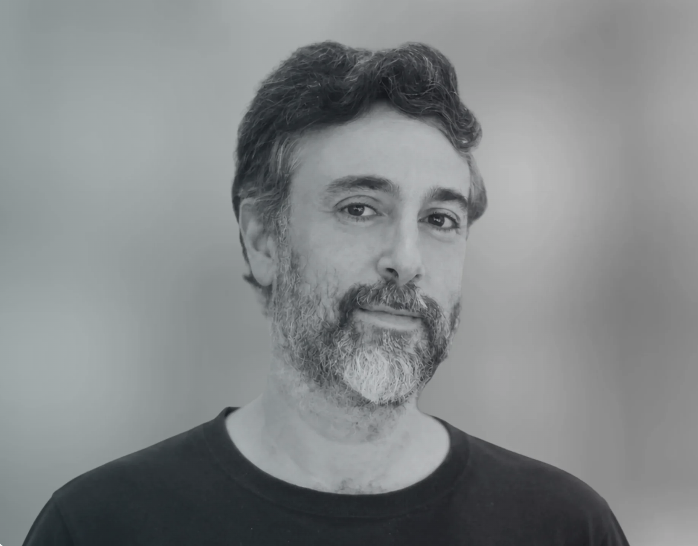
In this episode of the Inner Pioneers Podcast, I speak with Michael Graziano, Princeton neuroscientist and professor, whose work on the attention schema theory offers a fascinating perspective on how consciousness emerges and how it might relate to artificial intelligence.
What is consciousness, really?
Graziano challenges the assumption that consciousness must be some mysterious essence that only biological organisms can possess.
His attention schema theory proposes that the brain constructs an internal model of its own attention. Much as the brain builds models of the external world and of other people's mental states, it also develops a simplified representation of its own attentional processes.
This model helps explain why we experience ourselves as having subjective awareness.
The theory offers a very different starting point for thinking about consciousness: rather than treating it as an inexplicable phenomenon, it asks what functional processes give rise to our experience of being conscious.
Could artificial intelligence develop a self-model?
We explore what this might mean for the future of AI.
Today's language models can process enormous amounts of information and generate remarkably sophisticated responses. But Graziano argues that this is not yet the same as having the kind of self-model and embodied systems that contribute to human consciousness.
He believes that machines could eventually develop some of these capacities.
If that happens, the distinction between biological and artificial consciousness may become considerably more complicated.
The relationship between consciousness and embodiment
Our conversation also touches on the role of the body and emotions.
Human consciousness does not emerge in isolation from our physical existence. Our nervous systems, sensory experiences and emotional processes are deeply intertwined with how we perceive ourselves and the world.
This raises important questions about whether a machine could ever replicate not just the informational aspects of consciousness, but something closer to the embodied experience of being alive.
It also invites us to reflect on what we mean when we use words such as intelligence, awareness and experience.
Perhaps the most interesting outcome of this discussion is not a definitive answer to whether machines will become conscious, but a more precise set of questions about what consciousness actually involves.
The invitation: Before asking whether machines can become conscious, perhaps we should first ask how much we really understand about our own consciousness.
Listen to the full conversation: Michael Graziano – It's Just a Matter of Time Before Machines Become Conscious
Thank you, Michael, for bringing scientific rigour and intellectual curiosity to one of the most fascinating questions of our time.